Adding an ADU is one of the most common ways Santa Clara County homeowners add space or rental income. Here is a plain-English look at the types of ADUs, what California law generally allows, and how the permit process works in San Jose.
What is an ADU?
An ADU, or accessory dwelling unit, is a self-contained second home on the same lot as your house. It has its own kitchen, bathroom and sleeping area, its own entrance, and it can be rented out or used for family. People call them granny flats, in-law units or backyard cottages, but to the city they are all ADUs. A junior ADU, or JADU, is a smaller version (up to 500 square feet) built inside the existing walls of the house.
Types of ADUs you can build in San Jose
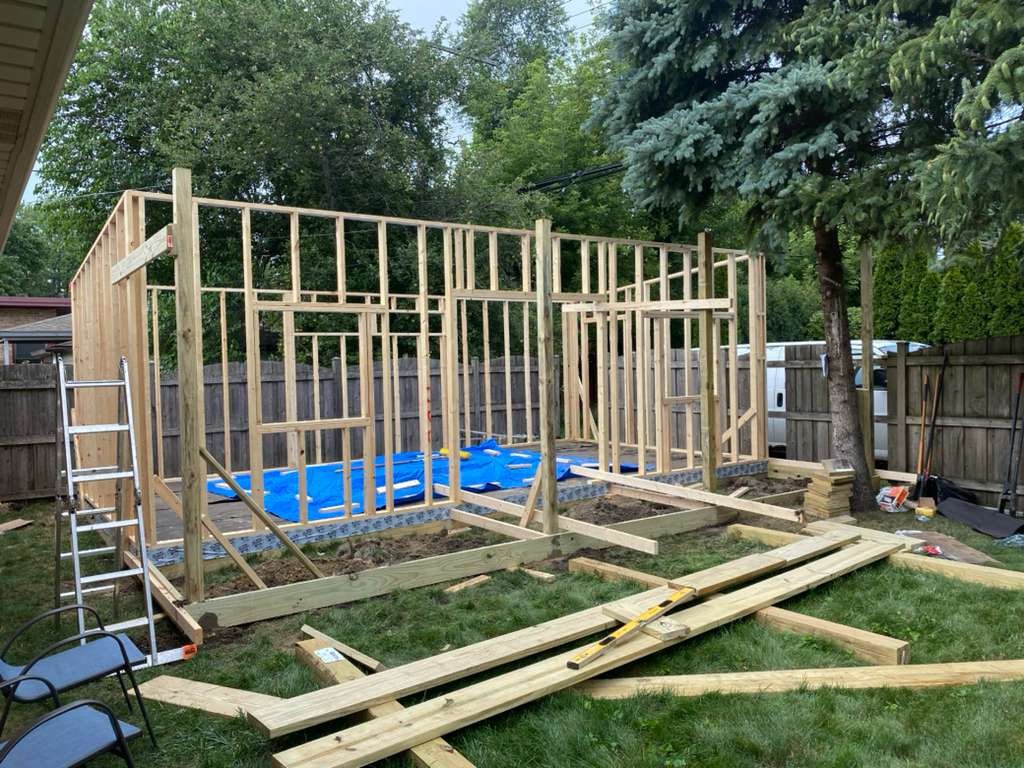
- Detached ADU: a new standalone unit in the backyard, separate from the house.
- Attached ADU: a new unit built onto the existing house and sharing a wall.
- Garage or interior conversion: turning an existing garage, basement or part of the house into a legal unit.
- Junior ADU (JADU): up to 500 square feet carved out of the existing home, sometimes sharing a bathroom.
What California ADU law generally allows
California has passed a series of laws to make ADUs easier to build, and they set a floor that cities like San Jose have to work within. In general terms, the law requires cities to review most ADUs ministerially, on a set timeline rather than through a discretionary hearing; it limits how much parking a city can require, especially near transit; and it waives certain impact fees for smaller units (ADUs under 750 square feet). The exact size a city must allow, the setbacks and the fees change over time, so treat this as the shape of the rules and confirm the current specifics with the City of San Jose.
Setbacks, utilities and other things to plan for
California ADU law generally allows a four-foot side and rear setback for a new detached unit, which is tighter than most main-house setbacks and part of why ADUs fit where a full addition would not. Beyond the footprint, plan for utility connections (water, sewer and electrical), how the unit ties into your existing panel, and how it will look next to the main house. Getting these settled in design is what keeps the build on schedule.
The permit process, step by step
- Feasibility and design. We look at your lot, your goals and the current San Jose rules, then design the unit. We plan it in 3D so you see the layout before anything is built.
- Plan check and permit. We submit the drawings to the City of San Jose, respond to plan-check comments and pull the building permit.
- Construction. We build the unit, coordinate the trades and keep one point of contact from foundation to finish.
- Inspections and final. We manage the city inspections through to a final sign-off, so the unit is legal and ready to use.
Because an ADU is a full dwelling, it pays to work with a licensed general contractor who has taken one through the City of San Jose before. Avis Builders and Design is a licensed California contractor (CSLB #1142220), and ADUs and room additions are one of the things we build across Santa Clara County.
One thing to remember
ADU rules change often, at both the state and city level. Confirm the current size limits, setbacks, parking and fees with the City of San Jose before you finalize a design, or let us do it with you as part of the planning.
Frequently asked questions
What is the difference between an ADU and a JADU in San Jose?
An ADU, or accessory dwelling unit, is a complete second home on your lot with its own kitchen, bathroom and sleeping area. It can be detached, attached to the house, or a converted garage. A JADU, or junior ADU, is smaller (no more than 500 square feet), built inside the existing walls of the house, and it is allowed to share a bathroom with the main home. Both are governed by California ADU law.
Do I need a permit to build an ADU in San Jose?
Yes. Every ADU needs a building permit from the City of San Jose, and most designs are reviewed ministerially, which means the city checks them against the rules rather than putting them to a discretionary hearing. A licensed contractor prepares the plans, submits them, works through plan check and manages the inspections. We handle that process as part of the build.
How long does it take to build an ADU?
Timelines vary with the design, your lot and the city’s current workload, so we do not quote a fixed number. In broad terms, expect a design and planning phase, a plan-check and permit phase with the City of San Jose, and then construction. A garage conversion is usually quicker than a new detached unit. We give you a realistic schedule once we have seen the property and the scope.
Can I rent out an ADU in San Jose?
In most cases yes, and ADUs are a common way for Santa Clara County homeowners to add rental space or house family. The rules around owner-occupancy and short-term rentals have changed over the years, so confirm the current requirements with the City of San Jose before you plan around renting it out.